
More than 8 hours
before arrivalEat and drink normally.
- Meals and snacks
- Baby food and cereal
- Formula and usual drinks
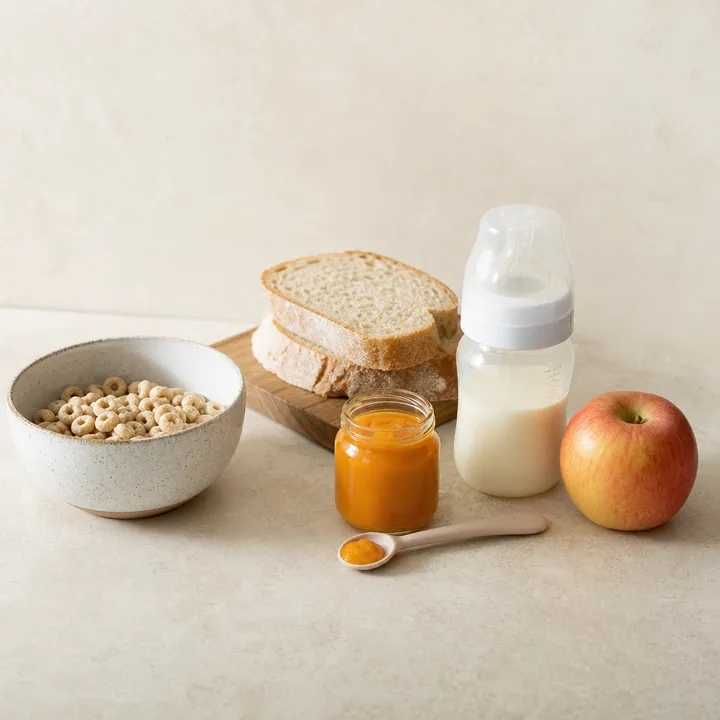
Examples: Meals, baby food, cereal and formula.
At 8 hours: stop all solid food, including baby food, cereal, gum and candy.
Medical emergency? Call 911 or go to the nearest emergency room.

For Parents and Caregivers
Before your child’s procedure, review the information below and follow the instructions provided by your child’s surgeon, facility, and anesthesia care team.
01 / Before the procedure
Before your child’s procedure, please follow our instructions carefully to ensure their surgery can be completed safely and on time.
Your child’s safety and comfort are our highest priorities, and our anesthesia team will be with them every step of the way.
02 / Food and drink before surgery
A clear countdown
Count back from the time your child is scheduled to arrive at the hospital—not from when surgery starts.
Eat and drink normally.
Examples: Meals, baby food, cereal and formula.
At 8 hours: stop all solid food, including baby food, cereal, gum and candy.
No food. Milk drinks are OK.
Baby food counts as food.
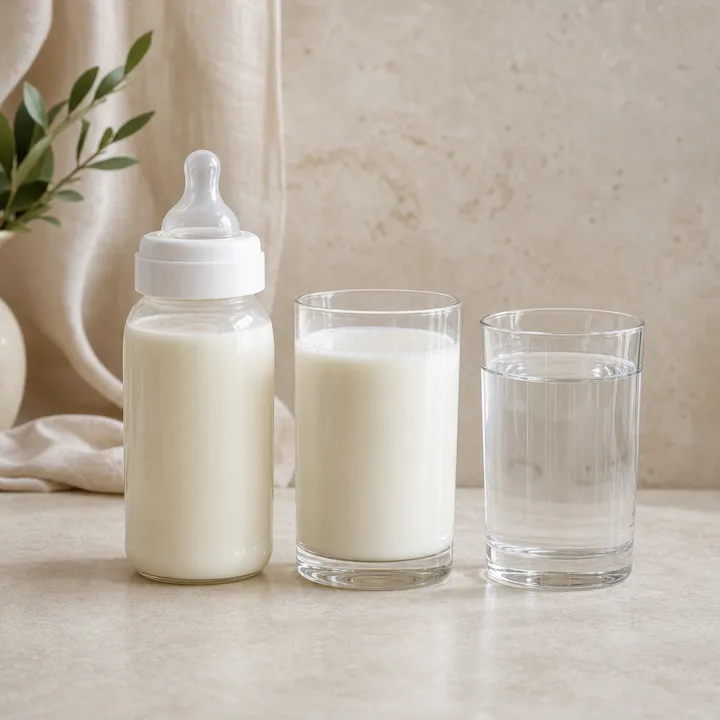
Examples: Formula, cow’s milk and water.
At 6 hours: stop formula, cow’s milk, and other milk drinks.
Breast milk and clear liquids.
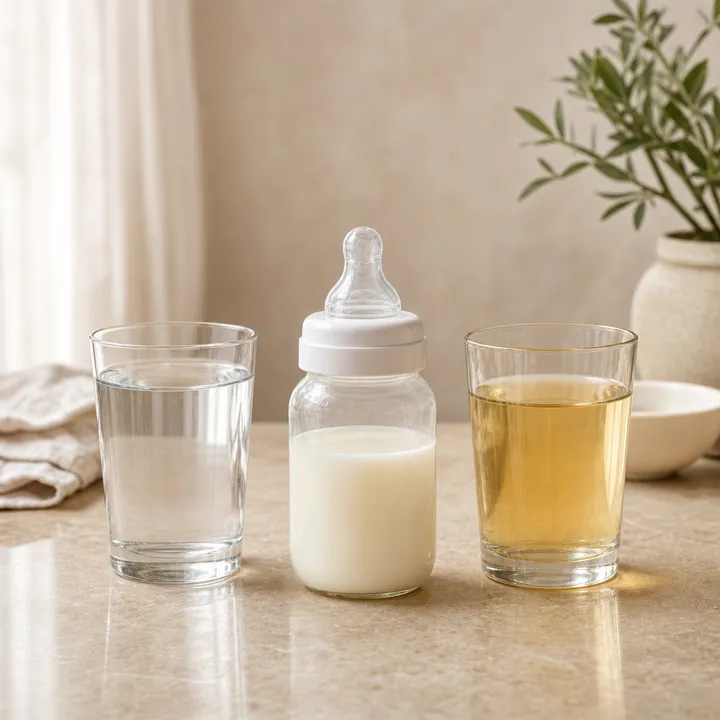
Examples: Breast milk, water and clear apple juice.
At 4 hours: stop breast milk.
Clear liquids only.
Clear means you can see through it—no milk, cream, or pulp.
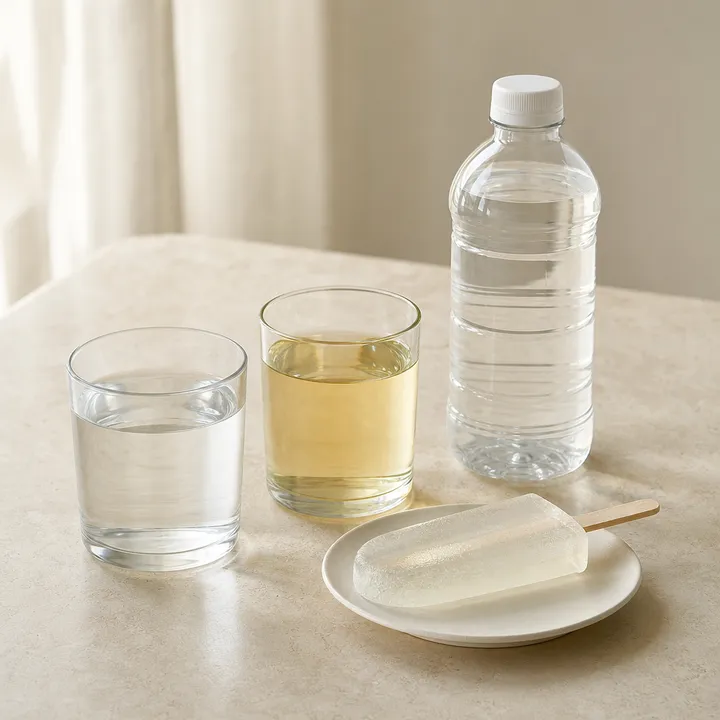
Examples: Water, clear juice, electrolyte drink and a plain ice pop.
At 2 hours: stop all drinks.
Stop completely.
No food, drinks, gum, candy or mints.
Nothing to eat
or drink
Give only the medicines your care team told you to give, with a small sip of water.
Keep offering clear liquids right up to the 2-hour mark.
Children who are not thirsty or hungry are calmer and safer during anesthesia. It is OK to wake your child for a drink.
Use the hospital arrival time you were given. This countdown ends at arrival, not surgery start.
Worked example · scheduled arrival
Eat and drink normally.
No food. Formula, milk, breast milk and clear liquids are OK.
Breast milk or clear liquids.
Clear liquids only.
Nothing to eat or drink.
If your child eats or drinks something by mistake, call us before you come in. Your child’s surgery may need to be moved to keep them safe.

03 / What to expect
How anesthesia works for your child depends on the type of procedure. Choose your child's surgery type below.
For children having ear tubes, anesthesia is very quick and simple, using just a mask along with medication to reduce pain and nausea. For most other ENT surgeries (such as tonsillectomy or adenoidectomy), an IV and breathing tube is required. For children under age 11, the IV is placed after they are asleep from the mask induction, so they do not feel it. Once the IV is in place, we gently insert a breathing tube to keep them safe during surgery.
The IV will stay in place until right before your child goes home, but it is only a soft plastic catheter, not a needle so it is not painful.
04 / Your surgical team
For instructions about your child’s procedure, medicines, or a new illness before surgery, contact your child’s surgical team directly.
05 / About anesthesia
For more general information about anesthesia, visit Anesthesia Answers.